
Mark Carney’s European Proposal: A Closer Partnership Without Giving Up Canadian Sovereignty
When Mark Carney addressed the European Parliament in September 2026, his argument began with a concern shared by many governments: a country cannot exercise meaningful…
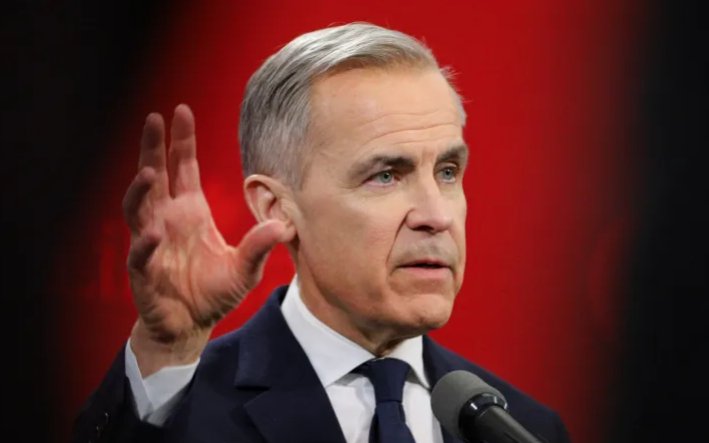
When Mark Carney addressed the European Parliament in September 2026, his argument began with a concern shared by many governments: a country cannot exercise meaningful independence if it depends on fragile supply chains for everything essential to its future. Energy, critical minerals, advanced technology and financial infrastructure have become matters of security as well as commerce. For Canada, Carney presented closer cooperation with Europe as one way to build resilience while maintaining its own sovereignty.
The most attention-grabbing part of the speech was the prospect of Canada becoming an associated member of the European Union. Carney welcomed the ambition behind the idea, which European Commission President Ursula von der Leyen had raised. That did not mean Canada had joined the EU, applied for ordinary membership or secured a new legal status. The proposal remained a subject for political discussion. Its importance lay in what the two sides appeared willing to explore.
A partnership built on existing ties
Canada and the EU already have substantial frameworks for cooperation, including the Comprehensive Economic and Trade Agreement and a strategic partnership. Carney’s speech suggested building on those foundations rather than beginning from scratch. He pointed to complementary strengths: Europe’s large market, research base and manufacturing capacity, and Canada’s energy resources, critical minerals, finance and AI capabilities.
That combination could matter in sectors where neither side wants to rely on a single supplier or an unstable route to market. Europe needs materials and energy for its industrial transition. Canada wants dependable partners, investment and more ways to sell its products. In defense, technology and infrastructure, cooperation could create additional options for both sides. The challenge will be converting broad political alignment into specific projects, financing and rules that companies can use.
Trade tensions with the United States give the discussion greater urgency, but they do not erase Canada’s deep economic relationship with its southern neighbor. Diversification is a long-term undertaking. Building a mine, expanding energy export capacity or creating a shared technology standard takes time. Carney’s European approach is best understood as an attempt to widen Canada’s choices, not an instant rearrangement of North American trade.
What “associated” could mean
The phrase associated member invites an obvious question: what rights and obligations would Canada actually receive? At the time of the speech, there was no finalized arrangement answering it. Any meaningful new status would require negotiation over the areas of participation, governance, funding and legal commitments. The details would determine whether the idea has practical value beyond its diplomatic appeal.
Carney emphasized that closer alignment should protect Canadian sovereignty. That point matters because deeper partnerships often involve shared standards, coordinated investments and some acceptance of common processes. Canadians would reasonably want to know who sets the rules, how disputes are handled and whether elected institutions retain control over major decisions. Europeans would ask parallel questions about access, obligations and reciprocity.
The speech identified several possible areas for progress. Critical raw materials and energy could make supply chains more secure. Research links, including existing science programs, could help researchers and businesses collaborate. Digital trade and AI standards might reduce friction for firms operating across borders. Youth mobility and education exchanges could make the relationship tangible to people who are far from diplomatic meetings.
The economic test ahead
For businesses, the potential appeal is clearer access to partners and a more predictable environment for investment. But declarations alone do not lower the cost of a shipment or speed up a permitting decision. Companies would look for practical changes: transparent eligibility for programs, compatible standards, workable customs arrangements and dependable financing. The political promise will be tested against those everyday details.
For policymakers, the question is how to make strategic cooperation add up to benefits at home. A critical-minerals agreement should support communities where extraction and processing take place. An AI partnership should create opportunities for researchers and smaller firms, not only the largest companies. Energy cooperation must account for infrastructure costs and the two sides’ climate goals. Each sector has a different timetable and its own trade-offs.
Carney’s address was therefore both an invitation and a statement of limits. He invited Europe to think of Canada as a partner in building more secure industrial and technological systems. At the same time, he presented sovereignty as a condition of that relationship. The next development to watch is not a symbolic label but a negotiated set of commitments that shows how much closer Canada and Europe are prepared to work.
Sources
- Prime Minister Carney’s address to the European Parliament